What has more impact on listeners: audio or video? The answer, of course, depends on a multitude of variables, but what is indisputable is that both audio and video content are capable of creating emotional connections that are important for an immersive and deeply involving entertainment experience.
Over the past few years, I have often discussed the emerging adoption of video in the car. While we envision a growing interest in car video capabilities, it is important not to lose sight of how consumers interact with media in the car today. In a world where audio and video are both available, the nature of the in-car driving experience reinforces audio consumption, especially in the connected car environment (40% of vehicles on the road).
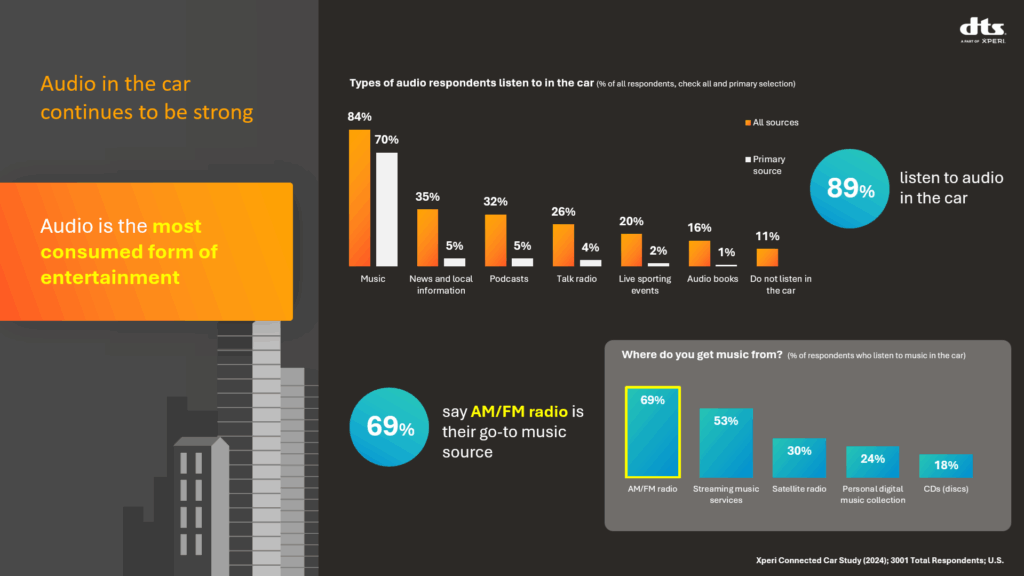
Audio rules the road by orders of magnitude: according to Xperi research, 89% of respondents listen to some form of audio in the vehicle, while 84% say that audio adds to or enhances their emotional experience when consuming content.
While in-vehicle video applications are growing in sophistication (and the market has shown great interest in our TiVo in-vehicle innovations), and consumers are increasingly enjoying short-form video content when the vehicle is parked,video still represents only a small percentage of in-vehicle entertainment. Drivers may stream a short clip while parked or charging, but once back on the road, weaving in and out of traffic, audio keeps the driver company.
And, in spite of today’s plethora of audio choices, from podcast to streaming, most people are still listening to AM/FM radio in the car, with 62% of consumers saying they would not even consider buying a vehicle without AM/FM radio! This may come as a surprise: I have spoken to some product planners at car companies who insist that no one is listening to the radio — until they look at their own internal data, which tells the opposite story.
To rule, audio must continue to evolve
So, we have established that historically audio — specifically AM/FM radio — rules the road; but the way it rules, and needs to rule, has changed in sync with the way consumers’ expectations and demands have evolved with technology.
At Xperi, we know a little bit about audio technology and its evolution. DTS pioneered digital surround sound with the first “Jurassic Park” film in 1993. Who can forget (I certainly can’t) how the stomp of those dinosaur feet made us shake in our movie theater seats? Today, we are not aspiring to shock drivers and passengers into imagining a Tyrannosaurus looms over their vehicle, but we are laser-focused on powering an immersive vehicle cockpit.
One of the reasons the groundbreaking digital sound in “Jurassic Park” was so impactful was that it was designed for an audience in a specific enclosed environment — a movie theater. The vehicle cockpit is a miniature replica of that auditory opportunity: an enclosed space perfect for surrounding its occupants with sound. In today’s vehicles, sound is everywhere — multiple speakers are positioned to create a rich, immersive experience for everyone in the car. Compare that to how most people listen to audio outside the vehicle these days — on their phone, through a smart speaker, or from a sound bar across the room.
And, unlike a vehicle’s sound system, which can precisely direct audio to where each person is sitting, a smart speaker often projects from much further away, failing to offer the listener an immersive experience. This is a far cry from the kind of audio experience that keeps me in my car listening once I have arrived at my destination: complete immersion in the vibrations of my favorite piece of music.
This applies to spoken content as well. Today’s media landscape is a cacophony of voices, so clear-as-a-bell sound is increasingly important. And, of course, good audio also positively impacts the effectiveness of video, gaming and other emerging dashboard entertainment innovations.
Immersive audio + content discovery
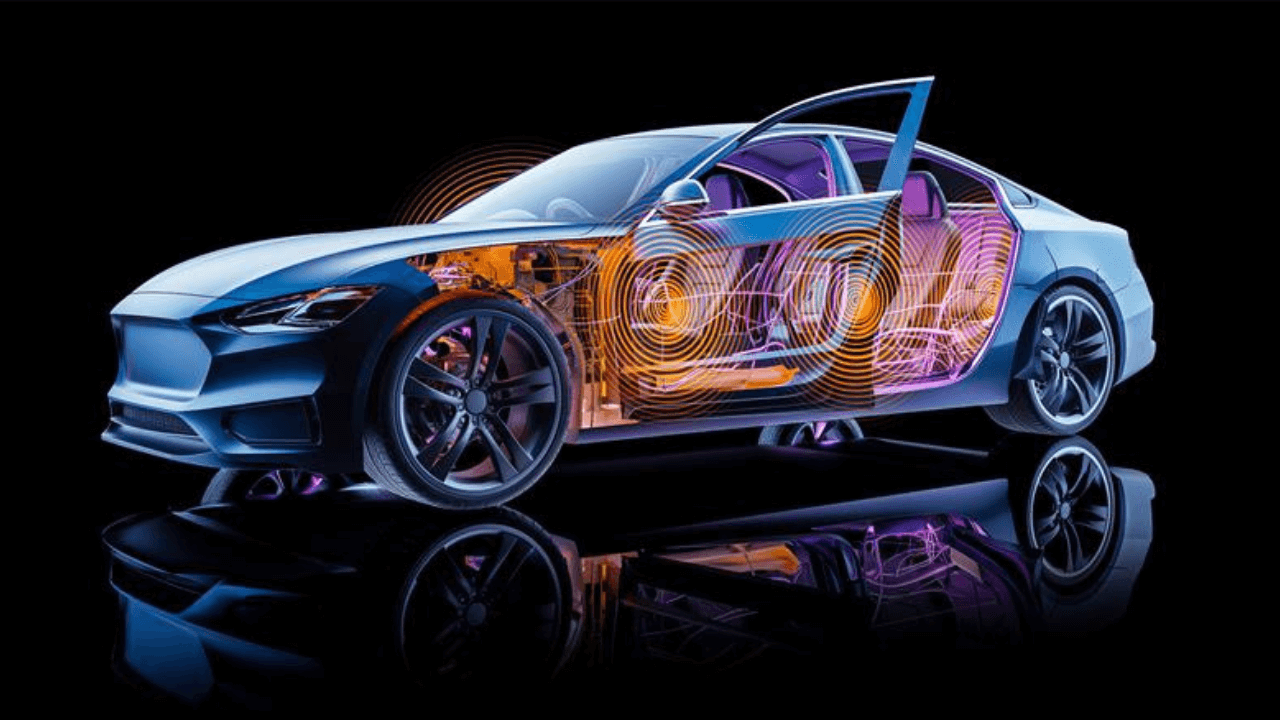
The continuing dominance of audio is precisely why we are putting an emphasis on enabling improved sound in the car. We are creating a new DTS:X immersive audio solution for automotive that places sounds in their natural spatial environment and optimizes various speaker configurations and listener positions, so drivers and passengers can experience the clear, balanced sound of premium audio, even in vehicles that have basic sound systems.
But innovating in-vehicle audio is not just about improving sound quality; it is also very much about modernizing and enhancing a consumer’s ability to find the overall audio experience. After all, there’s only so much consumption a driver can direct without taking his/her eyes off the road.
In-vehicle audio will continue to rule the road by providing not only ‘surround sound,’ but also ‘surround information’ — metadata that deepens context such as album covers, images, song lists, interviews and more — as well as customized content choices in sync with what consumers are used to getting on their phones or in streaming content.
One need go no further than the millions of digital downloads of Taylor Swift’s new album to prove the ongoing power of audio. Combine that with heightened audio quality — and a platform that will intuitively know if the vehicle contains a ‘Swiftie’ and offers up album cover art, song and lyric lists, interviews and more — and you have the vehicle dashboard’s best, most immersive entertainment experience of the future, one in which audio predominates.
The key to a truly immersive entertainment experience is to understand the content being delivered, whether in audio, textual or visual form, and to enable a seamless experience for the consumer. It is not enough to just have good technology or to just offer great content. It is knowing how that content interacts with technical platforms that will create the winning in-car entertainment platforms of the future.
Stay up to date on the latest technology and insights from DTS here.