The 2026 FIFA World Cup will be one of the most ambitious tournaments the organization has hosted, spanning multiple countries and uniting fans from every corner of the world. Before the first coin toss, many in the entertainment ecosystem are preparing to meet the unprecedented opportunity that lies ahead.
Over my next few blog posts, I’ll explore the ways brands — from content creators to smart TV OEMs — can prepare for this cultural phenomenon that transcends language, geography and technology.
Smart TV OEMs who not only understand but also embrace its global diversity will be best positioned to lead in the international game. To begin my series, I’ll dig into the role cultural and linguistic differences play in the content component of the tournament and how smart TV OEMs make the experience more seamless.
Why cultural and linguistic diversity must be at the forefront of planning
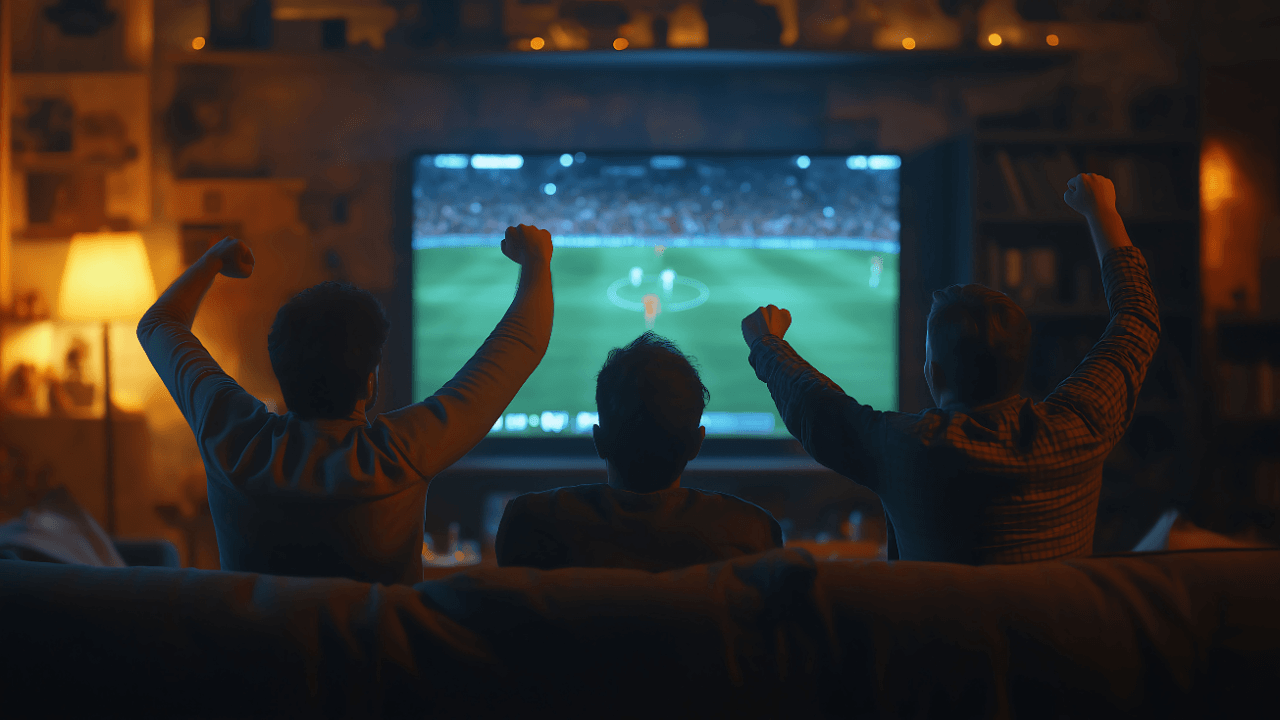
Most fans watch their favorite teams from the comfort of home, trusting their smart TVs to deliver the right match, at the right time and in the right language. This nuance is more important than ever when it comes to World Cup-related content because smart TV OEMs are in the driver’s seat for seamless experiences.
This tournament brings a unique opportunity to deliver team-focused, bias-aware content recommendations that truly resonate with soccer fans. Smart TV manufacturers can elevate the experience by spotlighting this content on home screens and within their discovery features. Focusing on these components will shape a more equitable entertainment ecosystem that enables fans to easily find and personalize the content that matters most, from live matches to local commentary and highlight reels.
By refining recommendation engines and designing experiences that understand user preferences, including language location and even team loyalty, OEMs can deliver on the true promise of personalization. Beyond these inputs, smart TV platforms also have a unique vantage point into how audiences engage with the World Cup over time.
Across the tournament’s four-week span, viewing patterns begin to take shape, from which matches fans prioritize to how frequently they return to World Cup content. This deeper understanding allows OEMs to move beyond static personalization and toward experiences that evolve alongside fan behavior.
In doing so, they move from being just devices to destinations for viewing.
Why OEMs must meet the moment
The surge in demand that accompanies global sporting events like the World Cup brings both challenges and opportunities. Smart TV OEMs must anticipate not only the logistical needs of a massive audience but also the emotional drivers that keep fans coming back.
We will likely see an increase in new TV purchases as consumers seek the strongest entertainment solutions. The device manufacturers that meet these needs — for language, content and cultural nuance — will be the ultimate winners.