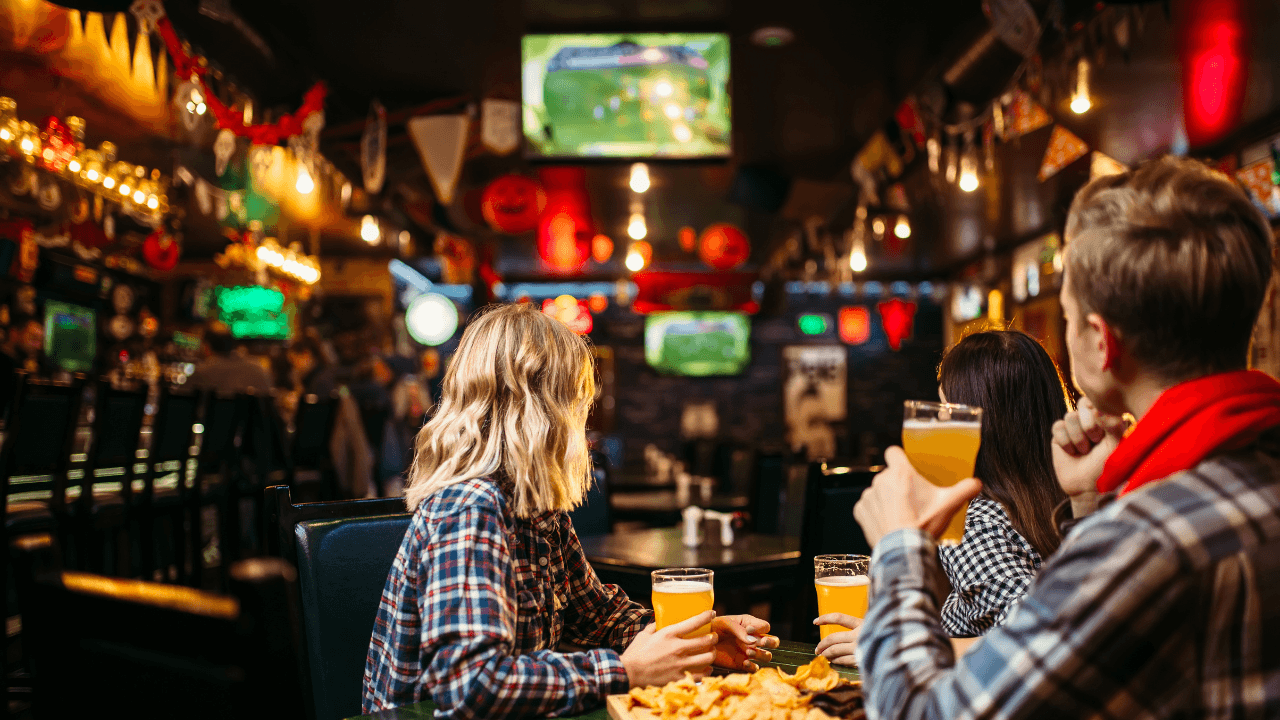
There are a few remaining experiences that bring together audiences in real-time, and sports sit firmly at the top of that list. The World Cup is the epitome of this phenomenon — a must-see event that is immune to generational fragmentation, drawing billions of viewers and transcending borders and time zones. For content distributors, streamers and pay TV providers, it represents both a test and an opportunity: how to capture the attention of a global, digital-first audience that expects seamless, on-demand access without losing the magic of live connection.
While the broadcast rights to live matches remain the crown jewel for those investing in the tournament, the next frontier lies in everything surrounding the game. From pre-match analysis and post-game commentary to fantasy and betting integrations, the modern fan expects a continuous, connected experience. It’s up to content creators and distributors to deliver on the expectation — extending the energy of match day into an always-on ecosystem.
How adjacent content is changing sports media
Content distributors, streamers and pay TV providers are in the right position to meet this need head-on. They must invest in either creating this surround-sound content themselves, forming partnerships with the right leaders in adjacent spaces or creating the infrastructure to support an ongoing stream of content.
Those who lean into this by delivering team-specific content, dynamic viewing options and immersive experiences will not just win with viewership. They’ll use this moment to build lasting loyalty. What makes this opportunity even more powerful is the ability to understand how audiences engage throughout the tournament.
As fans move between live matches, surrounding content platforms can identify patterns in behavior — from team affinity to frequency of viewing — and use those insights to better tailor the overall experience. This creates a feedback loop where content isn’t just always-on but continuously optimized to match audience interest.
By treating the World Cup not as a series of matches but as an evolving platform for creative storytelling, companies can capture engagement before the kickoff and sustain it long after the final whistle.
When we all look back at this 2026 tournament, we’ll see how this was an inflection point in the global sports world. With surges in viewership and consumers opting into new subscriptions, this will be seen as a new phase in how the world watches live sports. The lines between live broadcast, social media, sports betting, sports commentary and personalized content will continue to blur.
What I’ll be watching most closely is how content distributors, streamers and pay TV providers take the lessons learned during this period and apply them to future milestones. That’s when we’ll see the real, lasting impact on the industry.