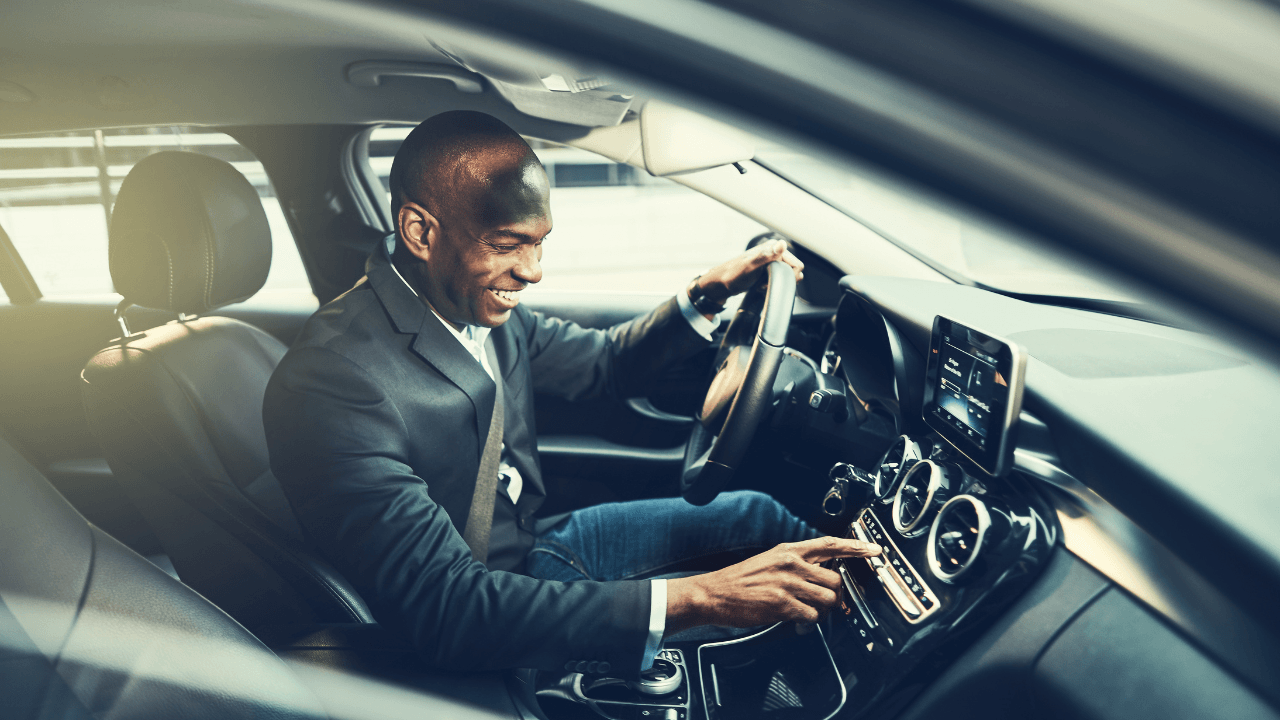
Radio remains one of the most far-reaching media channels, often surpassing other platforms in total audience reach. Roughly eight in 10 U.S. consumers are reached daily by in-vehicle AM/FM radio, accounting for about half of all listening among adults 25-54.
Despite this scale, radio has struggled to keep pace with modern advertising expectations around targeting, measurement and accountability. While other channels have evolved to deliver precise audience insights and performance metrics, radio has remained largely rooted in broad reach.
The rise of connectivity in cars introduces a clear inflection point. It creates an opportunity to modernize radio and unlock new value for both advertisers and broadcasters. As vehicles become increasingly connected, radio is beginning to transition from a wide-reaching but difficult-to-measure medium into a more precise, data-driven component of the digital ecosystem.
Radio has scale but lacks precision
Traditional radio has historically lacked the capabilities that define modern advertising platforms. It does not offer the same level of audience targeting, real-time measurement or attribution as digital channels, making it harder for advertisers to fully understand performance.
Measurement has long relied on panel-based estimates rather than deterministic data, limiting visibility into actual listener behavior. By comparison, connected-car datasets are significantly more robust, reaching 16 times the size of current radio samples and up to 57 times larger in the top 25 markets.
This gap between scale and precision has contributed to radio falling behind with large advertisers, even as it continues to deliver unmatched reach. Without the ability to clearly demonstrate outcomes, radio’s role in modern media plans has remained constrained.
Connected cars turn radio into a data-driven channel
The shift to connected vehicles is bringing software, data and real-time connectivity directly into the in-car experience. This transformation is redefining what radio can deliver.
With connected-car technology, radio can now support precise audience targeting, deterministic measurement and real-time attribution. These capabilities allow advertisers to better understand who they are reaching and how those audiences respond.
At the same time, radio can integrate more seamlessly into broader digital campaign strategies. With a rapidly growing base of connected vehicles, the car itself becomes an addressable and measurable environment at scale. Platforms like DTS AutoStage, which powers more than 14 million vehicles globally, illustrate how quickly this ecosystem is expanding.
Radio becomes part of the omni-platform advertising ecosystem
As connectivity reshapes the in-car experience, radio is no longer operating as a standalone channel. Instead, it is becoming part of a unified, omni-platform campaign strategy.
Advertisers can align in-car audiences with those reached across mobile, connected TV and other digital channels, enabling consistent targeting across environments. This makes it possible to buy audiences instead of airtime and extend campaigns seamlessly into the car.
At the same time, the in-car experience is evolving beyond audio. Visual formats are beginning to enhance engagement and reinforce messaging, creating new opportunities for brands to connect with consumers during their time on the road.
The CTV of wheels: a new value proposition for radio
Connected car radio brings together many of the elements that have defined the rise of connected TV, including targeting, measurement and premium user environments.
Importantly, the scale of in-car listening remains strong. AM/FM accounts for approximately 85% of ad-supported audio time spent in vehicles, reinforcing the reality that in-vehicle listening is both widespread and largely centered on traditional radio.
At the same time, new data capabilities are transforming how that listening can be understood and monetized. Insights delivered within 24 hours from millions of vehicles allow broadcasters to measure audience shifts as they happen and identify where consumers are listening in real time.
Audience behavior is also trending in radio’s favor. The proportion of over-the-air AM/FM radio listening in the car has grown from 42% of all tuning in 2015 to 53% today, underscoring its continued relevance.
Together, these shifts unlock new monetization opportunities for broadcasters while delivering measurable outcomes for advertisers. As marketers increasingly prioritize omni-channel reach with consistent measurement and attribution, radio is now positioned to participate with equal merit.
A new role for radio in modern advertising
As the car becomes a fully connected media environment, radio is evolving from a legacy medium into a strategic, performance-driven channel.
By combining unmatched reach with modern data capabilities, radio is positioned not just to re-enter the media mix, but to play a central role in how advertisers connect with audiences. It can now deliver messaging that is more measurable, more integrated and more effective.
This transformation marks a significant shift for the industry. Radio is no longer defined solely by its scale, but by its ability to translate that scale into results.
Stay up to date on the latest technology and insights from DTS here.